
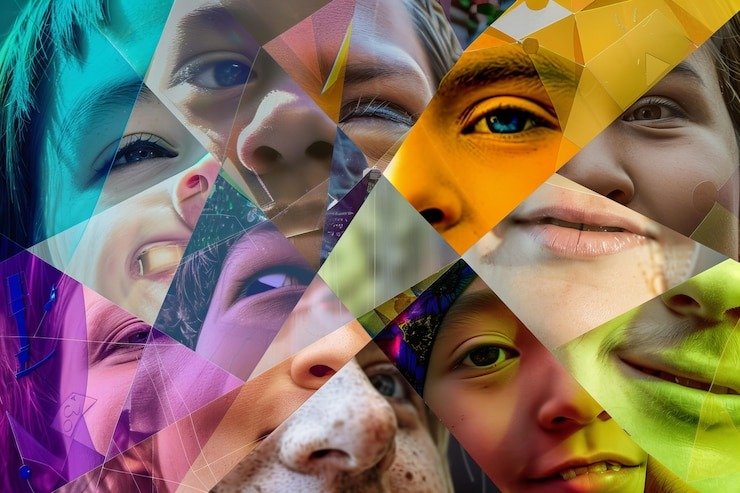
In an increasingly interconnected world, the fusion of technology and education has become a focal point for both students and educators alike. As we embark on a journey through the latest digital trends in education, we aim to uncover the innovative practices that are shaping the future of learning. Join us as we explore the dynamic landscape of digital education and highlight award-worthy choices that are making a significant impact.
The Rise of Digital Learning Environments
Digital learning environments are transforming the way knowledge is disseminated and absorbed. From virtual classrooms to hybrid models, educational institutions are embracing technology to enhance the learning experience. The use of Learning Management Systems (LMS) like Moodle, Canvas, and Google Classroom has become ubiquitous, allowing educators to streamline content delivery and provide personalized learning paths for students.
Adaptive Learning Technologies
One of the most exciting developments in digital education is the rise of adaptive learning technologies. These tools utilize algorithms and data analytics to tailor educational experiences to the individual needs of each student. Platforms such as Knewton and Smart Sparrow enable learners to progress at their own pace, ensuring that each student receives the support they need to succeed. As adaptive learning continues to evolve, we can expect a more personalized approach to education that caters to diverse learning styles.
Gamification in Education
Gamification has emerged as a compelling trend in education, leveraging the principles of game design to enhance engagement and motivation. By incorporating game-like elements such as badges, leaderboards, and challenges, educators can create immersive learning experiences that captivate students. Platforms like Kahoot! and Classcraft have successfully integrated gamification into their frameworks, allowing for a fun and interactive approach to learning. This trend not only fosters a love for learning but also encourages healthy competition among peers.
Blended Learning: The Best of Both Worlds
Blended learning combines traditional face-to-face instruction with online learning, offering a flexible and effective educational model. This approach allows students to benefit from direct interaction with their instructors while also taking advantage of digital resources. With tools such as Zoom, Microsoft Teams, and various educational apps, educators can create a seamless blend of in-person and online learning experiences. The COVID-19 pandemic accelerated this trend, prompting many institutions to adopt blended learning as a permanent solution.
Emphasis on Digital Literacy
As technology continues to evolve, the need for digital literacy has never been greater. Educational institutions are placing a strong emphasis on equipping students with the skills necessary to navigate the digital landscape effectively. This includes teaching students how to critically evaluate online information, understand data privacy, and utilize various digital tools for collaboration and creativity. Programs aimed at enhancing digital literacy are being recognized and awarded for their innovative approaches, highlighting the importance of preparing students for the future workforce.
Blockchain Technology in Education
Blockchain technology is making waves in various sectors, and education is no exception. The potential of blockchain to enhance transparency and security in academic records has led to its exploration in credentialing and certification processes. Institutions are beginning to implement blockchain-based systems to store and share student achievements securely. This not only simplifies the verification process for employers but also empowers students to take ownership of their educational credentials.
Virtual and Augmented Reality
Virtual Reality (VR) and Augmented Reality (AR) technologies are revolutionizing the classroom experience by providing immersive and interactive learning opportunities. From virtual field trips to simulated laboratory experiments, these technologies engage students in ways that traditional teaching methods cannot. Platforms like Nearpod and zSpace are at the forefront of integrating VR and AR into educational content, making complex subjects more accessible and enjoyable for learners of all ages.
Global Collaboration and Connectivity
The advent of digital communication tools has enabled global collaboration among students and educators. Programs that facilitate cross-cultural exchanges and collaborative projects are becoming increasingly popular, fostering a sense of global citizenship among learners. Platforms such as ePals and Global Penfriends connect students from different parts of the world, allowing them to share ideas, cultures, and experiences. This trend not only enriches the educational experience but also equips students with the skills necessary to thrive in a globalized society.
“The future of education lies in our ability to adapt to new technologies and embrace innovative teaching methods that inspire and engage learners.” – Anonymous
Award-Worthy Choices in Digital Education
In recognition of the outstanding contributions to digital education, various awards and accolades celebrate innovative practices and programs that make a difference. Institutions that excel in integrating technology into their curricula, developing unique learning platforms, and fostering inclusivity are often highlighted in these awards. By showcasing award-worthy choices, we not only acknowledge the efforts of educators and institutions but also inspire others to adopt best practices and push the boundaries of traditional education.
Our contribution: The Future of Education is Now
As we continue to explore digital trends in education, it is clear that the landscape is evolving rapidly. Embracing technology to enhance learning experiences, fostering digital literacy, and promoting global collaboration are just a few examples of how education is being transformed. The time has come to travel down this exciting path, as we collectively shape the future of education for generations to come. It’s not just about adapting to change; it’s about leading the charge towards a more innovative, inclusive, and effective educational system.
