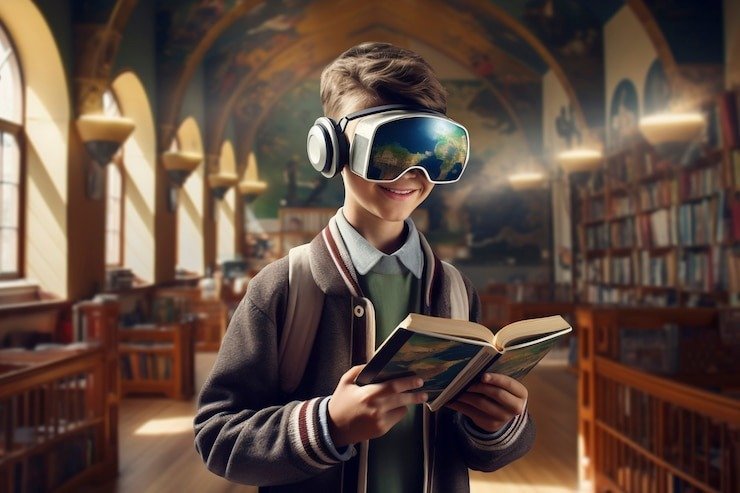
The landscape of education has undergone a radical transformation in the digital age, becoming more interactive, accessible, and tailored to individual learning needs than ever before. As we traverse this expansive terrain, understanding the digital trends shaping educational experiences is vital. From online courses to virtual classrooms, digital tools have redefined traditional methods of learning. In this article, we will explore key trends in digital education, examine how they influence learners and educators alike, and discuss the benefits and challenges of these innovations.
The Rise of Online Learning Platforms
In recent years, online learning platforms have surged in popularity, providing flexibility and convenience for learners around the globe. Platforms such as Coursera, Udemy, and edX offer a plethora of courses ranging from professional development to personal enrichment. These platforms allow students to learn at their own pace, enabling a tailored approach to education that traditional classrooms often cannot provide.
Online learning is not just about access to content; it embodies a shift toward self-directed learning. Students can choose courses that align with their interests and career goals, fostering a sense of ownership over their educational journey. This shift empowers learners to take control of their learning paths, emphasizing the importance of motivation and discipline in the digital age.
The Integration of Technology in Classrooms
Classrooms around the globe are increasingly integrating technology into their curricula. Smartboards, tablets, and educational apps are transforming how educators deliver lessons. Technology facilitates interactive learning experiences that engage students and cater to various learning styles. For instance, gamified learning environments make complex subjects more approachable and enjoyable, while multimedia resources can enhance comprehension and retention.
“The future of education lies in the ability to blend technology with traditional teaching methods to create a more engaging and inclusive learning environment.”
Personalized Learning Experiences
With advancements in artificial intelligence (AI) and data analytics, personalized learning is becoming a reality. Educational software can analyze a student’s performance and adapt lessons to meet their unique needs. This customization allows for differentiated instruction, where learners receive tailored content that challenges them appropriately and supports their growth.
Moreover, personalized learning is not limited to academic achievement; it also focuses on social and emotional development. By assessing students’ interests and motivations, educators can create a learning environment that nurtures both intellect and character. The result is a more holistic educational experience that prepares students for the complexities of the modern world.
Collaborative Learning in Virtual Spaces
The digital age has enabled collaboration across borders and time zones. Virtual learning environments foster teamwork and communication among students from diverse backgrounds. Tools such as discussion boards, video conferencing, and collaborative documents allow learners to share ideas, work on projects, and engage in meaningful dialogue, regardless of their physical location.
This collaborative approach nurtures essential skills such as critical thinking, problem-solving, and adaptability. Students learn to navigate diverse perspectives and collaborate effectively, preparing them for the globalized workforce. Furthermore, educators can leverage these digital tools to create inclusive learning communities that empower every student to contribute and thrive.
Challenges and Considerations in Digital Education
While the digital age offers unprecedented opportunities for education, it also presents challenges that need careful consideration. One significant concern is the digital divide—inequities in access to technology and the internet that can exacerbate existing disparities in education. Ensuring that all students have access to the tools and resources necessary for success is crucial for creating an equitable learning environment.
Additionally, the reliance on technology raises questions about the role of educators. As digital tools become more prevalent, the teacher’s role is evolving from content deliverer to facilitator and guide. This shift requires ongoing professional development and support for educators to effectively integrate technology into their teaching practices.
The Future of Education in the Digital Era
As we look toward the future, the landscape of education will continue to evolve in response to technological advancements and societal needs. Emerging trends such as virtual reality (VR) and augmented reality (AR) have the potential to revolutionize learning experiences by providing immersive environments that enhance understanding and engagement.
In addition, lifelong learning will become increasingly important in a rapidly changing job market. Individuals will need to continuously update their skills and knowledge, making adaptable and accessible learning opportunities essential. Educational institutions must embrace this shift by offering flexible programs that cater to lifelong learners.
Our contribution
Exploring education in the digital age reveals a dynamic and transformative landscape, where technology plays an integral role in shaping learning experiences. As we continue to navigate these changes, it is essential to champion accessibility, equity, and collaboration to ensure that all learners can thrive in this new era. Ultimately, the journey of education in the digital age is not just about adapting to new tools but also about fostering a culture of lifelong learning that empowers individuals to explore, innovate, and succeed.
