
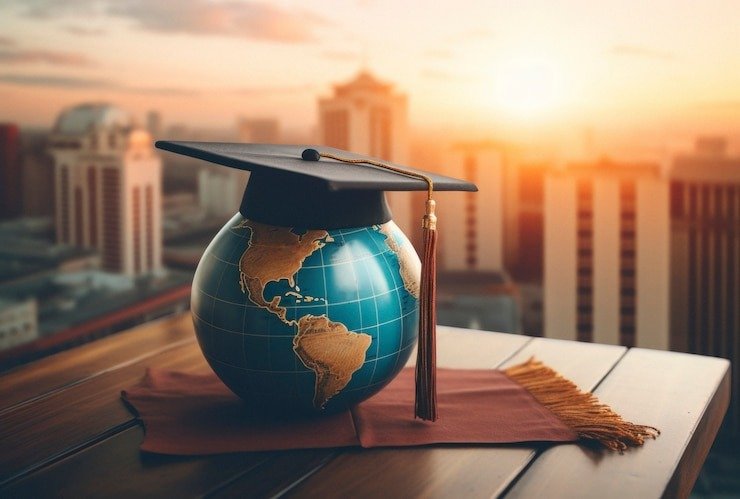
In an era defined by rapid technological advancements, the way we consume news and engage in education has shifted dramatically. As we embrace the digital age, it’s crucial to explore these trends and understand their implications for travelers, learners, and the global community at large.
The Digital Transformation of News
The landscape of news consumption has evolved significantly over the past decade. Traditional newspapers are no longer the primary source of information for many people. Instead, we see a surge in digital news platforms, mobile apps, and social media outlets that deliver real-time updates and breaking news. This transformation has not only changed how we access news but also how we interpret it.
With the rise of platforms like Twitter, Facebook, and Instagram, news is now more accessible than ever. Travelers can stay informed about global events, local happenings, and travel advisories with a simple swipe on their smartphones. However, this accessibility comes with challenges, including the proliferation of misinformation. As consumers of news, we must cultivate critical thinking skills to discern credible sources from misleading ones.
“In the digital age, the responsibility of verifying information lies not only with the institutions but also with the individuals consuming that information.”
The Role of Multimedia in Storytelling
Digital news platforms are leveraging multimedia content to engage audiences more effectively. Videos, podcasts, and interactive infographics provide richer storytelling experiences that can capture a reader’s attention far more than traditional text-based articles. Travelers can now watch video reports or listen to podcasts about their destination, gaining insights into local culture, cuisine, and attractions before they even arrive.
As multimedia journalism continues to grow, we can expect to see even more innovative formats, such as augmented reality (AR) and virtual reality (VR), that allow users to immerse themselves in a story. Imagine exploring the streets of Tokyo through a VR news segment or experiencing a day in the life of a local through an interactive documentary. This trend not only enriches the way we consume news but also enhances our understanding of different cultures and experiences worldwide.
Online Education in the Age of Digitalization
Just as news consumption has transformed, so too has education. The rise of online learning platforms has democratized access to knowledge, enabling individuals from all walks of life to engage in education without geographical or financial barriers. Websites like Coursera, edX, and Khan Academy offer courses from world-renowned institutions, allowing learners to study at their own pace and on their own terms.
For travelers, this means having the opportunity to learn new skills or subjects while on the go. Whether you’re at a café in Paris or lounging on a beach in Bali, you can access quality educational resources with just a few clicks. This flexibility is particularly appealing for those seeking to enhance their professional skills or pursue personal interests while traveling.
The Rise of Microlearning
Another trend gaining traction in online education is microlearning. This approach focuses on delivering content in small, digestible segments, making it easier for learners to absorb information and apply it in real-life situations. For travelers, microlearning can be particularly beneficial for acquiring language skills or cultural knowledge quickly before embarking on a journey.
Apps such as Duolingo or Babbel exemplify this trend, offering bite-sized language lessons that can be completed in just a few minutes each day. As the world becomes more interconnected, the ability to communicate in multiple languages enhances travel experiences and fosters deeper connections with locals.
The Future of Digital News and Online Education
As we look to the future, the integration of artificial intelligence (AI) and machine learning into both news and education will likely redefine how we interact with information. AI algorithms can personalize news feeds and learning paths based on user preferences, ensuring that individuals receive content tailored to their interests and needs.
Furthermore, the use of chatbots and virtual assistants in education can facilitate a more interactive learning experience, providing immediate feedback and support to learners. Imagine a scenario where a traveler can ask an AI assistant about historical sites, cultural practices, or even local cuisine while navigating a new city—this level of interactivity can significantly enhance the travel experience.
Embracing Lifelong Learning
In conclusion, the convergence of digital trends in online news and education presents a unique opportunity for travelers and learners alike. As we embrace these advancements, we must also be mindful of our roles as informed consumers and active participants in the global community. Lifelong learning is not just a buzzword; it is a necessity in an ever-changing world. By staying informed and engaged, we can enhance our travel experiences, enrich our understanding of diverse cultures, and ultimately contribute to a more interconnected world.
